Roots, Removal and Resistance was created by a team of Berkeley Historical Society and Museum volunteers as well as a dedicated group of community curators. We are also thankful for the larger BHSM volunteer team, many of whom helped to create and docent this exhibit, as well as the artists, historians, and visitors who contributed materials and information to our exhibit.

Jeanine Castello-Lin
Jeanine Castello-Lin chaired the curatorial team of the Roots, Removal and Resistance exhibit. She comes to exhibit creation from a background in oral history. After completing several oral history books, and then several oral history videos (both with colleague Tonya Staros), Jeanine values the importance of first-person narrative. Especially since the advent of AI, the importance of preserving first-person accounts is paramount. Previous exhibits she has coordinated and contributed to include Early Days of Dance in the East Bay, From the Streets to the Ballot Box: Berkeley Politics in the 1970s, and Touching Ground, Putting Down Roots: Chinese in Berkeley. She holds BAs in English and History from Oberlin College and a PhD in Rhetoric from UC Berkeley.
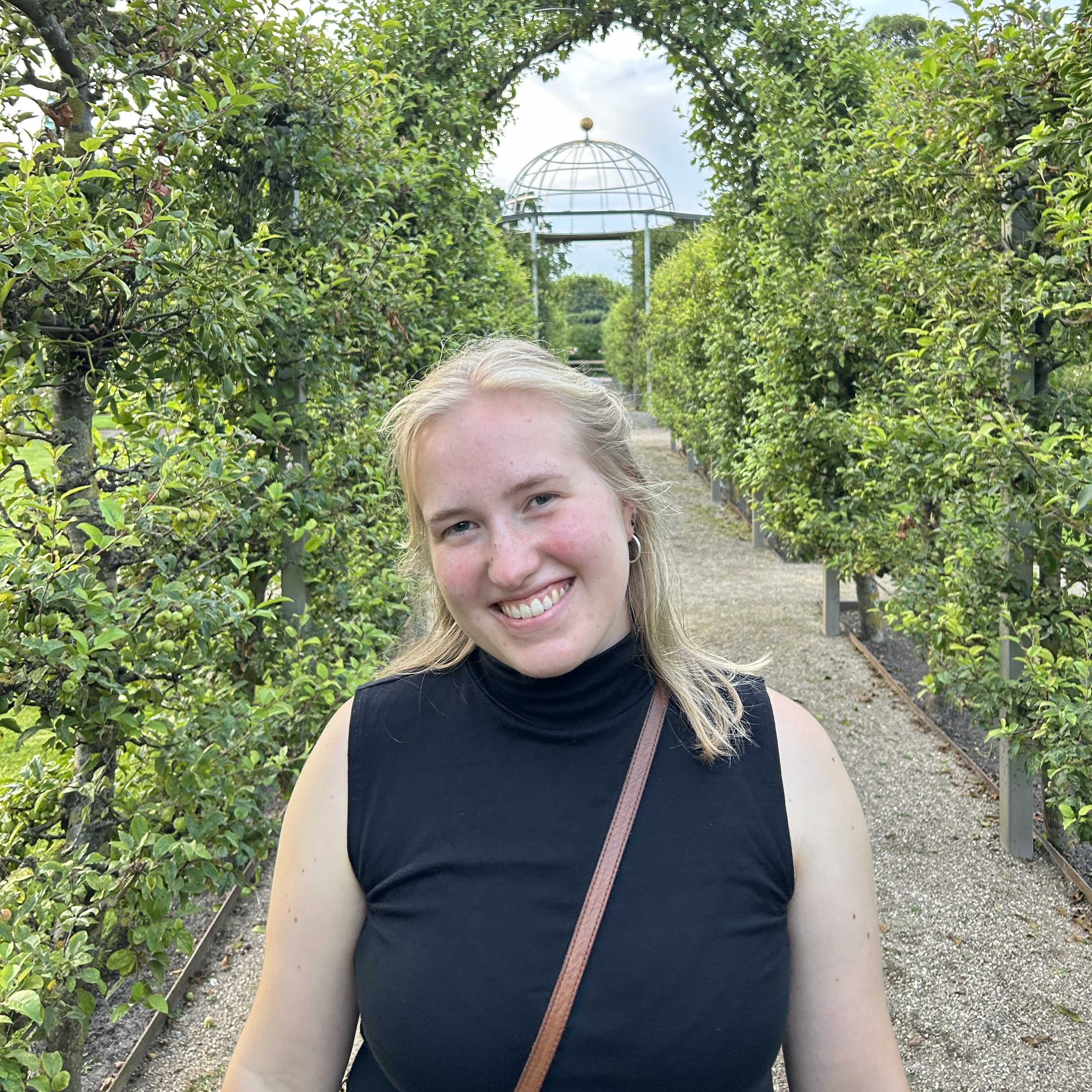
Elina Juvonen
Elina Juvonen holds a B.A. with a double major in History and Anthropology from the University of California, Santa Cruz. She grew up in Berkeley and is a BUSD graduate. At UCSC, Elina worked for the Okinawa Memories Initiative, a public history research project housed in The Humanities Institute, and conducted two thesis projects which received department and division awards. Most recently, she has worked at the Hayward Area Historical Society, where she designed local history curriculum, and at the San Francisco Planning Department, where she researched and wrote a historic context statement. Elina designed the online exhibit and online ‘Here Lived’ map, and co-led walking tours in Berkeley’s historically Japanese American neighborhood.
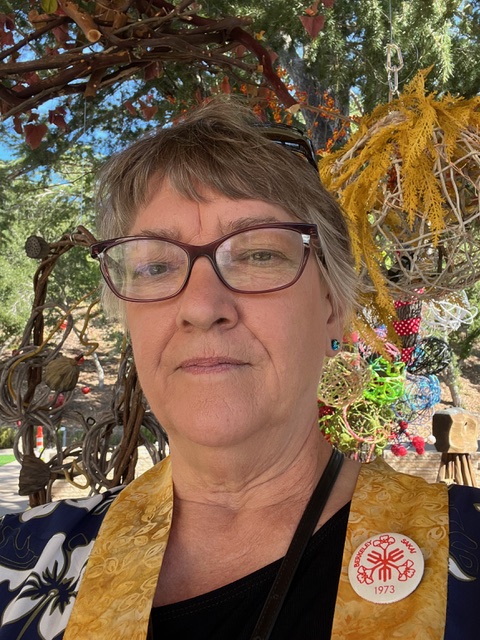
Kathryn Lucchese
Kathryn Lucchese is an author who holds an M.A. and PhD in cultural geography from Texas A&M University and a B.A. in classical languages from UC Berkeley. She taught at the elementary, secondary, and college level for thirty years, and now writes fiction and non-fiction, grouped in her website Riparia Publications.
With two parents in public health administration, Kate lived in many different locations in the U.S. and abroad, finishing up at Berkeley High School. Visits and study abroad to Japan as a young adult left her fascinated by its culture and people. She and her husband lived in Sendai, Miyagi Prefecture for a time. She has published a book on the 1613 trade and cultural-exchange mission sent from Sendai to Rome.
As a member of First Congregational Church of Berkeley’s 150 Anniversary committee, Kate brought her research about the church’s role as Civil Control Center for Japanese American incarceration in 1942 to the exhibit. In the process, Kate discovered the seeds of a play, and wrote “A Cup of Cold Water” based on the sources used in the exhibit. Kate headed the team working on the Incarceration piece of the exhibit.
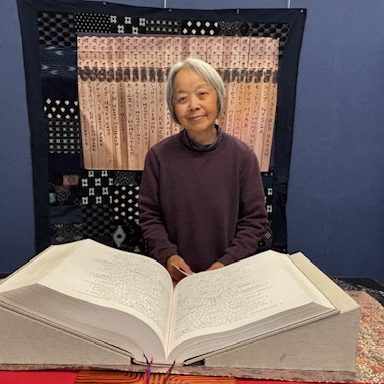
Arlene Makita-Acuña
Arlene Makita-Acuña was born in Berkeley in 1946, soon after her parents returned to California after almost four years of incarceration at the Granada Relocation Center, aka Amache Camp, in Colorado.
She previously taught as a multicultural and media resource specialist in the San Francisco public schools and at the annual East Bay Japanese American summer school in the ’80s and early ’90s. She was a student of Edison Uno during the inception of the first Asian American studies program at San Francisco State.
In 2018 she became involved with a biannual field studies program at Amache led by a historical archeologist at the University of Denver, deepening her connection to the site and Japanese American history.
Arlene conducted research, interviewed local Japanese Americans, and worked on the historical timeline of the exhibit. She also contributed some of her family’s items for display, led walking tours around Berkeley’s historically Japanese American neighborhood, and presented on her family history at the North Berkeley library.
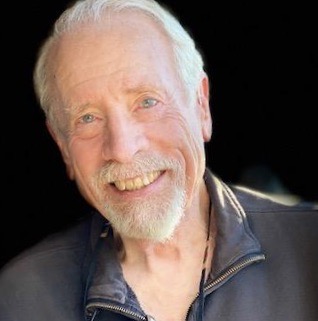
George Petty
George Petty has been a Berkeley resident since 1947 and is a product of Berkeley public schools – from Thousand Oaks Grammar School through Boalt Hall. He worked as a corporate lawyer for fifty years and then joined BHSM Board in 2018, serving thereafter as Membership Secretary, Secretary and President, now Co-Chair of Historical Plaque Committee. He was particularly drawn to the challenge of creating a visual display of Michael Several’s “Here Lived” database and is currently working on a book version of that display to preserve it after the exhibit concludes.
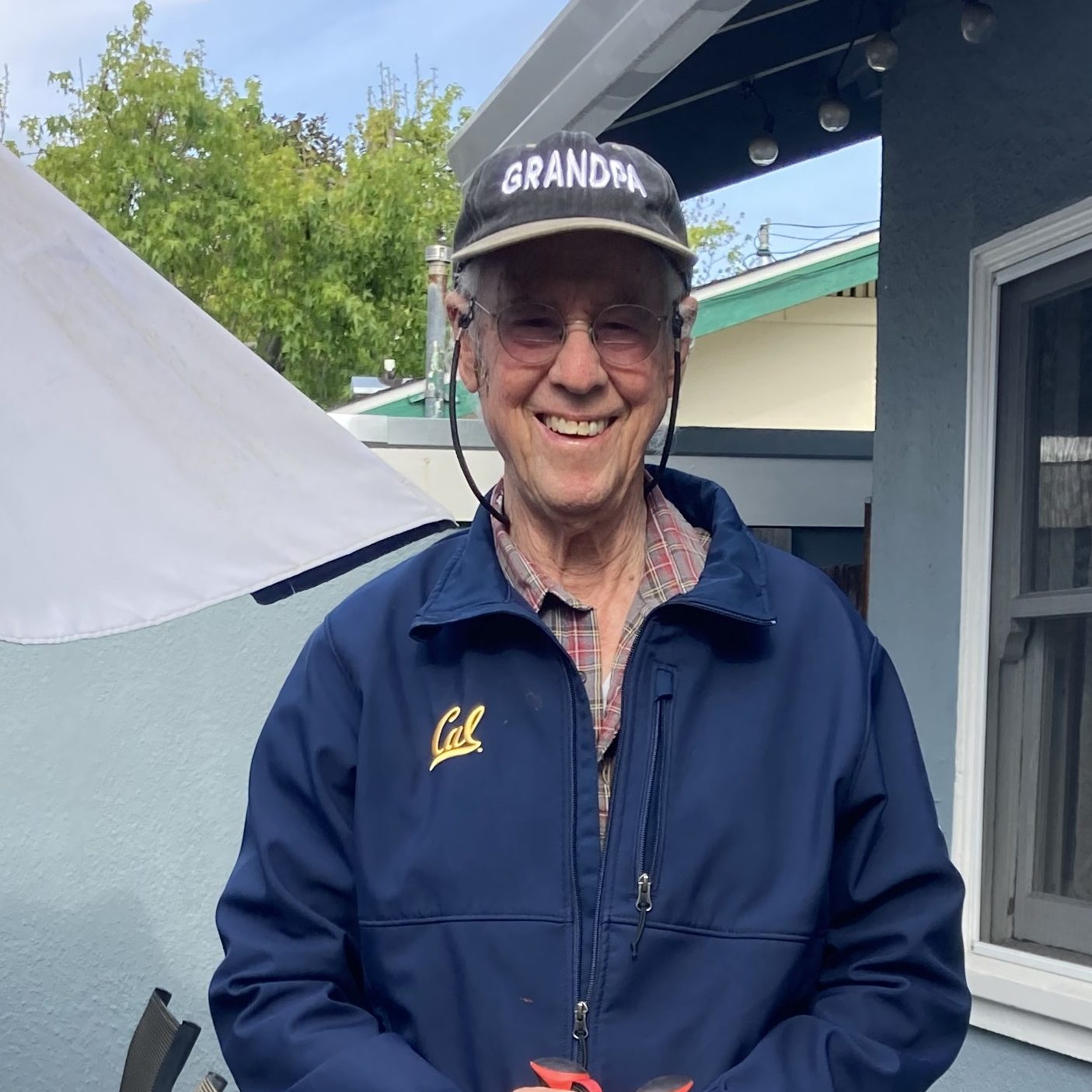
Michael Several
Michael Several graduated from Cal in 1963 and received a Teacher’s Credential through San Jose State College in 1966. He then moved to Southern California where he was a teacher, an insurance underwriter, a paralegal and a grant writer. After relocating to Berkeley in 2020, he
joined the Berkeley Historical Society and Museum and became a board member. His main occupation in retirement is being a grandpa to two beautiful, wonderful children. In his spare
time he tries to stay alive physically with walks in the surrounding parks, and mentally by doing research. Since moving to Berkeley, his main research focused on collecting the data that became the Here Lived project.

Gary Tominaga
Gary T. Tominaga is a Sansei born in the South side of Chicago. His late Nisei parents, both native Californians, were prevented from working in California after being incarcerated in America’s concentration camps. His late Dad served in the United States Military Intelligence Service stationed in Fukuoka. Two of his late uncles served in the 442nd Regimental Combat Team.
He moved to redlined South Berkeley at nine months of age and graduated from Franklin Elementary School in redlined West Berkeley, Garfield Junior High, Berkeley High West Campus, Berkeley High and the University of California. He joined the international accounting firm of Price Waterhouse, travelled the world as an internal auditor for Warner Communications and worked for the Controller’s Office of East Bay Municipal Utility District for over thirty years.
Gary served as a longtime Treasurer and Board Member of the Buddhist Church of Oakland, President and Director of the Oakland Nippongo Gakuen Japanese language school, President of the Eden Athletic Club, and as President of the El Cerrito/Richmond Cubs. He has also coached youth baseball and basketball team and administered the OFSCA Spring High School Exchange program for over a decade.
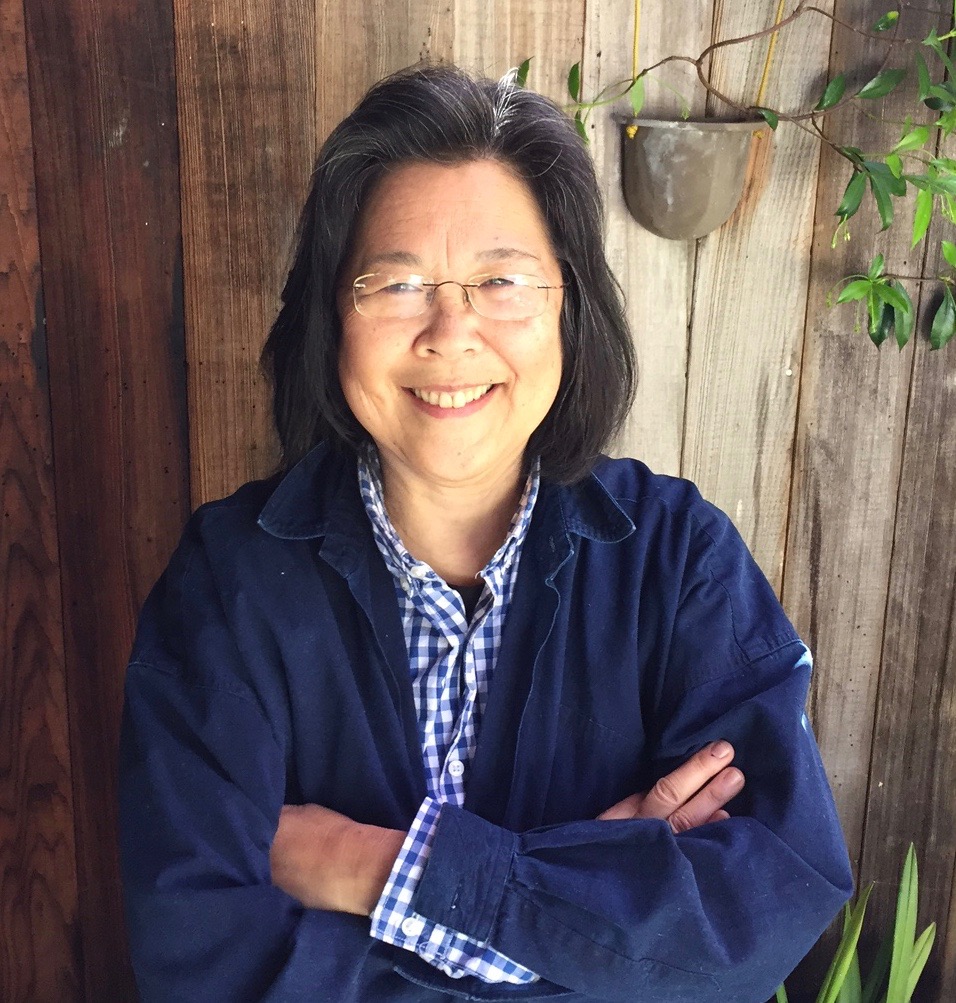
Nancy Ukai
Nancy Ukai is a third-generation Berkeleyan. Her maternal grandparents managed a cut flower nursery on Sixth Street near University Avenue from the 1910s. The family was forcibly removed to Tanforan and Topaz in 1942. Her grandfather, who was born in Shizuoka, Japan, was identified by the FBI as a security risk for his role in the Nichiren Buddhist Church but was not arrested.
Nancy is director of the 50 Objects digital history project which explores the WWII incarceration of American Japanese through 50 artifacts. She is a founding member of Tsuru for Solidarity, a director of the Berkeley JACL and on the Wakasa Memorial Committee. She contributed to the Issei gallery, introductory wall and activism and incarceration sections.
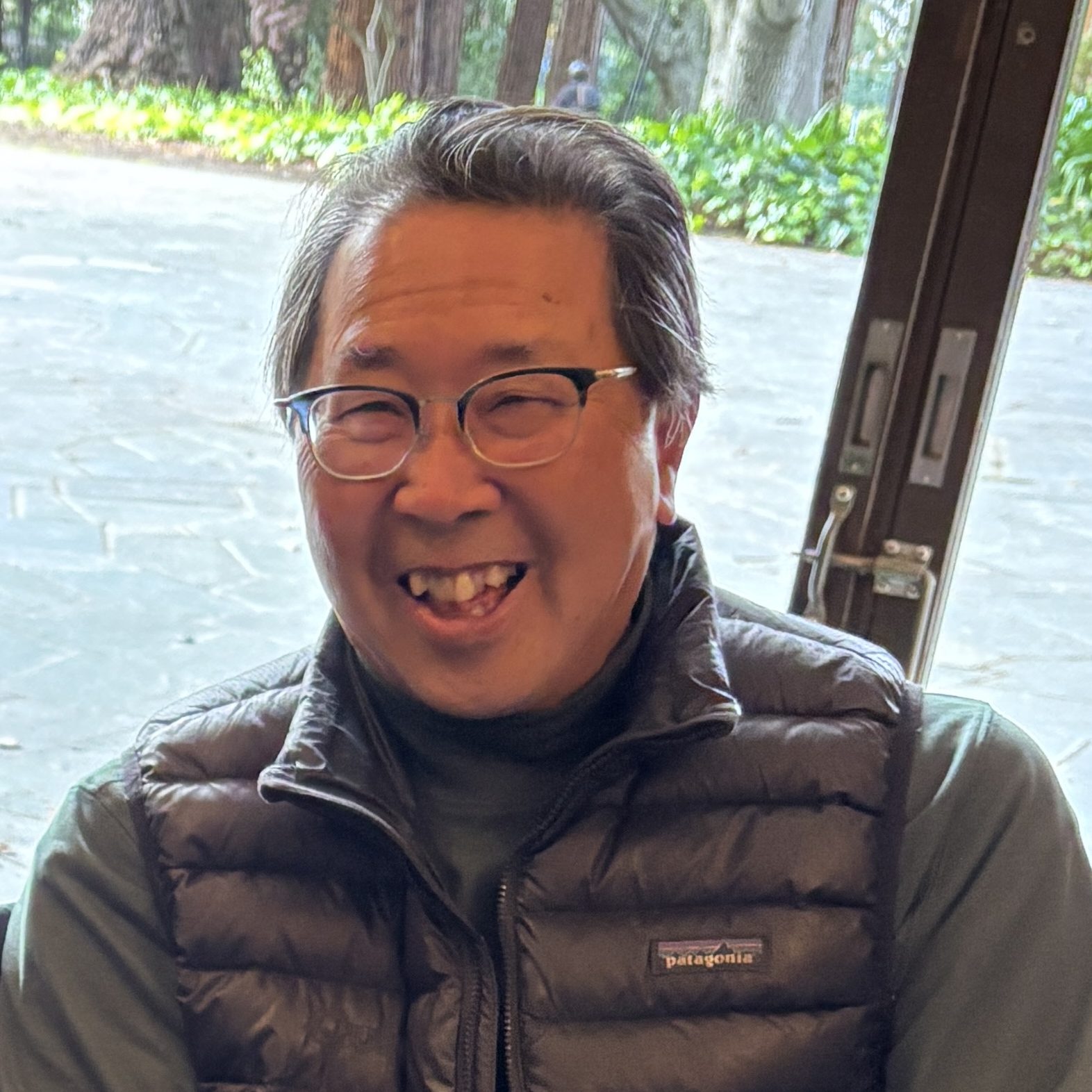
David Ushijima
David Ushijima, a third-generation Sansei, first studied the history of the WWII incarceration of Japanese Americans as a student following the Third World Strike and during the establishment of Asian American studies at UC Berkeley. His professional career began in engineering, which led him to book and magazine publishing, and international business development in Japan, China, and Vietnam. After residing in Tokyo, Japan, he returned to
Berkeley where he and his wife raised their two sons.
We are also grateful for the assistance from:
Aimee Baldwin
The Bancroft Library
Ellen Bepp
Berkeley Buddhist Temple
Berkeley Higashi Honganji
Berkeley JACL
Berkeley Methodist United
Hector Botello
Anthony Brown
Robert Chung
Connor Couture
Sandra Doi
Roger Eardley-Pryor
Estate of Chiura Obata
50 Objects
Tokumaru Fujii
Bill and Judy Fujimoto
Keiki Fujita
Noreen Fukumori
George Furuichi
Gene Hashiguchi
Patrick Hayashi
Suzanne Hidekawa
Lindsay Hiratzka
Maru Hiratzka
Patty Hirota
Sherry Hirota
Iiyama family
Mayor Adena Ishii
Satsuki Ina
Betty Kano
Jeanie Kashima
Jon Kawamoto
Dana Kawano
Kimi Kodani Hill
Mary Lindquist
Dennis Makishima
Dale Minami
Ken Murakami
Dennis Nakamura
National Japanese American Historical Society
Joseph Nishimura
Jennifer Okamoto
Ben Pease
Brad Pugh
Bill Roberts
Toru Saito
Gerald Sakamoto
Ken Sano
Ruth Sasaki
Kay Sekimachi
Jill Shiraki
Tonya Staros
Ruth Tamura
Mark Tanaka
Tanforan Memorial Committee
David Tom
Dennis Tominaga
Topaz Stories
Leslie Tsukamoto
Mary Ann Wight
Diane Wong
Karen Yamasaki
Ken Yamashita
Yaeko Kami Yedlodsky
Rev. Michael Yoshii
Dennis and Joanne Yotsuya
John Aronovici
Chuck Wollenberg
Judy Ziajka
 BHSM Online Exhibits